Reclamation of the History and Heritage of the Muwekma Ohlone Tribe of the San Francisco Bay Area
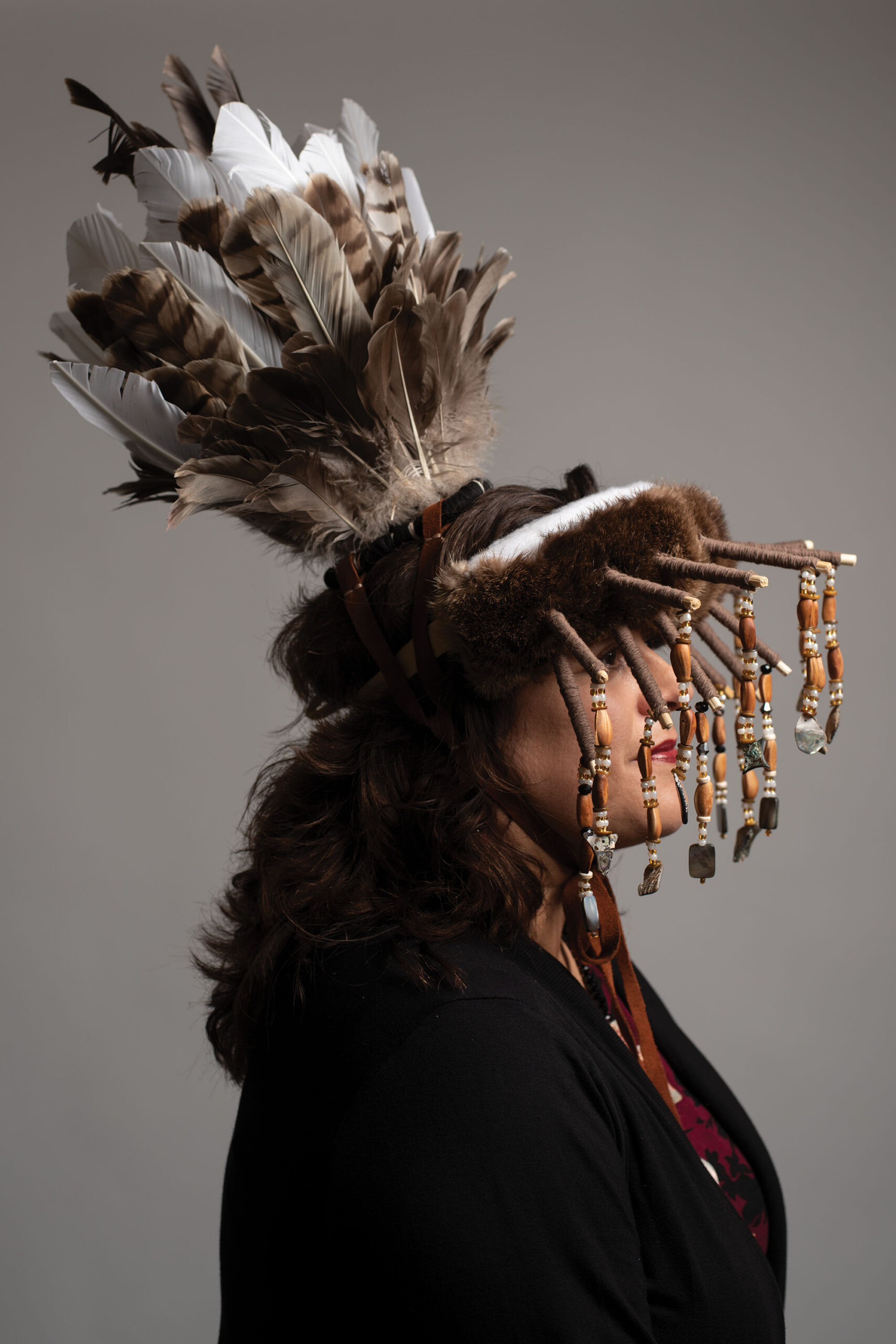
Monica V. Arellano serves as the Tribal Vice Chairwoman for the Muwekma Ohlone Tribe of the San Francisco Bay Area. In her many roles, Monica ensures that the history, voice, and identity of the Muwekma Ohlone Tribe is authentically represented in community projects. She works to safeguard and revitalize the Tribe’s 12,000-year cultural heritage by restoring the Muwekma Ohlone language, Chochenyo (SF Bay Costanoan). She also helps the Tribe access and reconnect to the land and Indigenous knowledge through stewardship. She protects the Tribe’s aboriginal and religious rights while caring for the proper and respectful treatment of their ancestral remains and cultural artifacts when ancestral heritage sites are encountered during construction projects. She issues Land Acknowledgments, Opening Blessings, and public Welcoming Declarations to Muwekma’s Ancestral Land on behalf of the Muwekma Ohlone Tribe in the Chochenyo language.
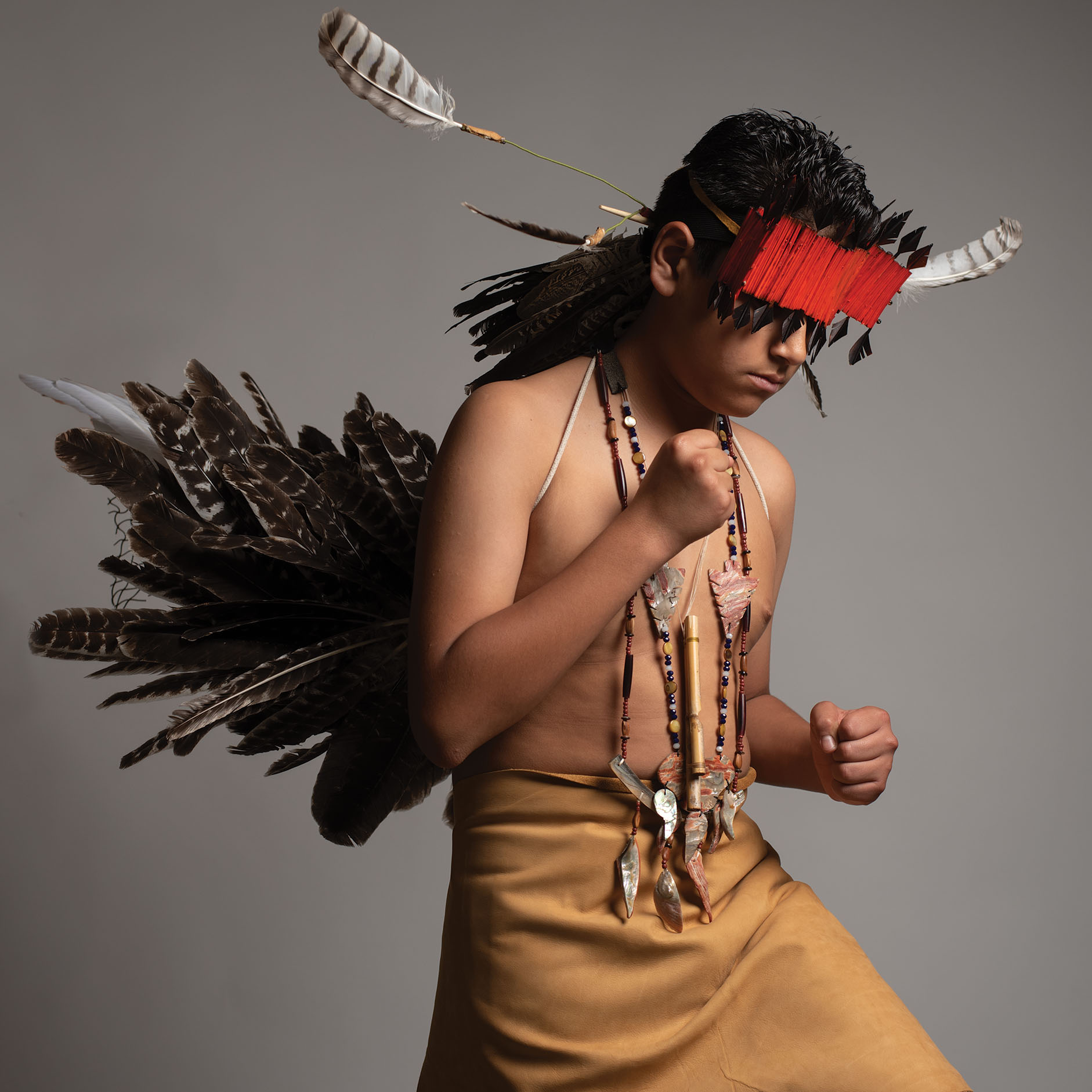
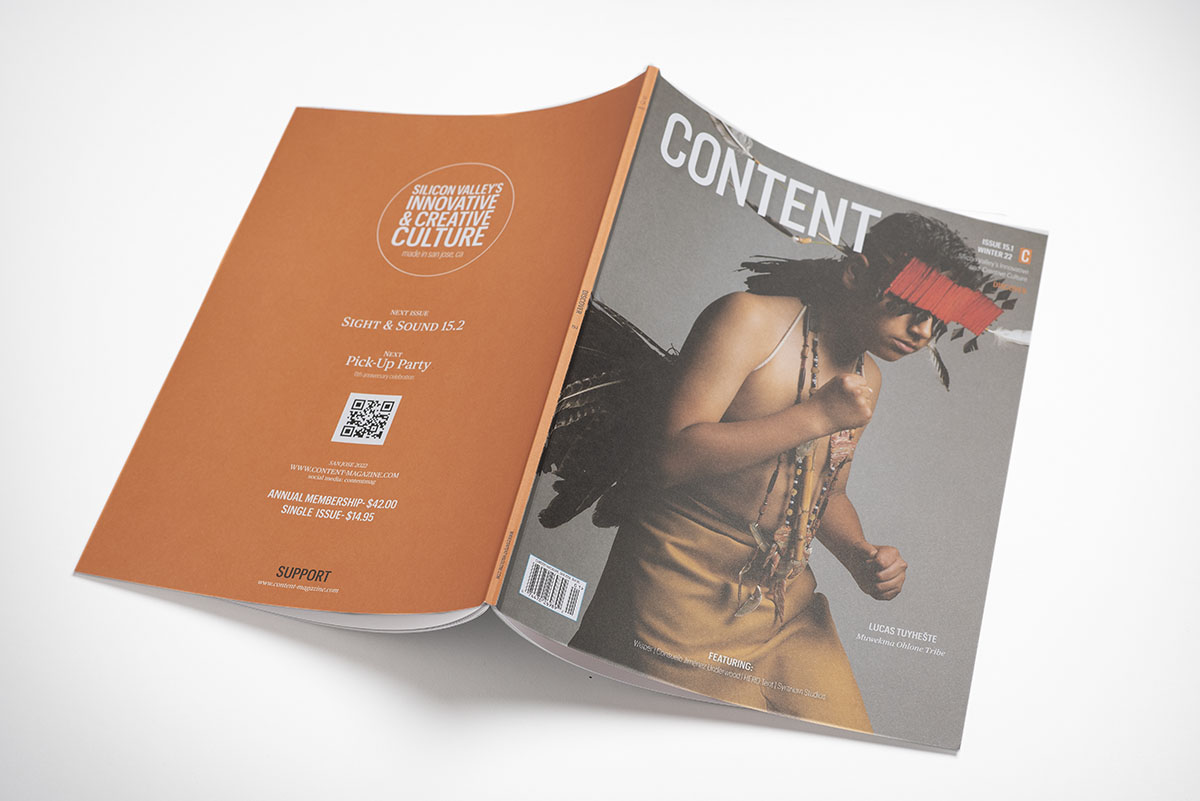
Monica lives in Castro Valley, part of her direct ancestral Jalquin/Yrgin tribal territory, with her son Lucas Tuyhešte. It was important for Monica to give her son a Chochenyo name. She chose Tuyhešte, which means “strong” in their native Chochenyo language. Monica’s main focus is raising her son, who is her source of inspiration in the preservation of the Muwekma Ohlone Tribe’s language, culture, and heritage.
“It has not been an easy path, but it has been my honor and privilege to work hard alongside our Tribal leadership and members.”
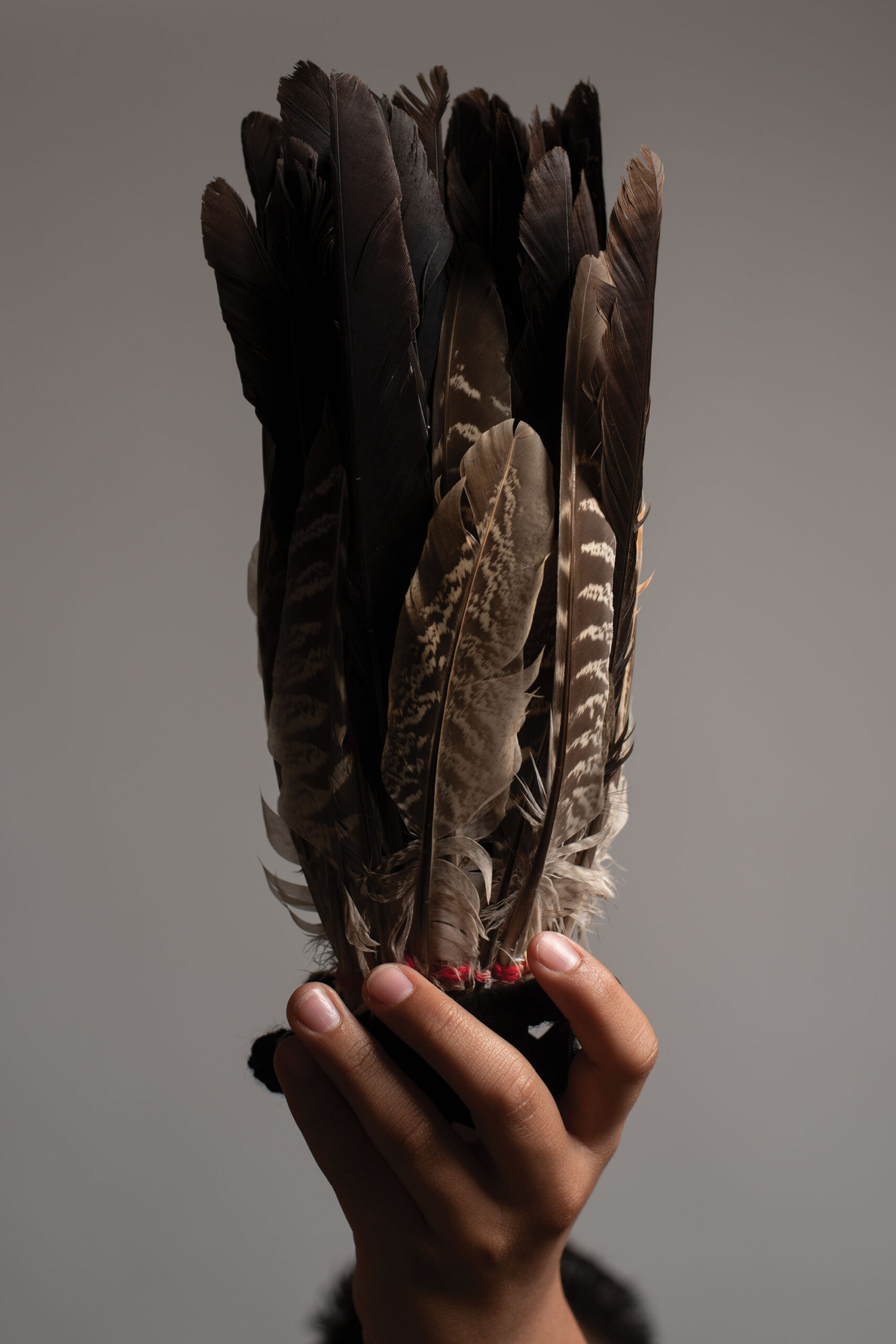
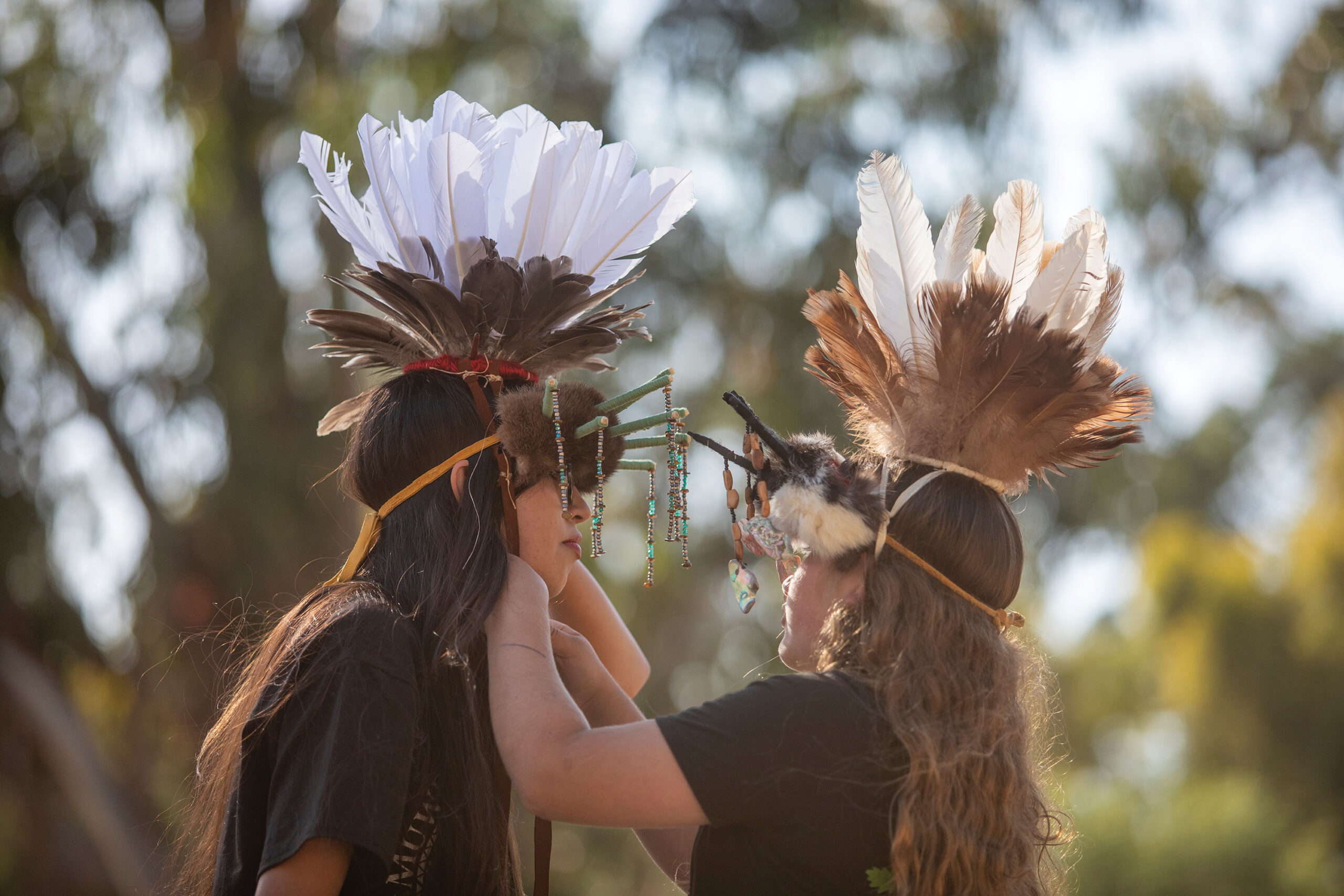
The Muwekma tribal leadership is partnering with New Museum Los Gatos (NUMU), San Jose State University, and Mosaic America on Reclamation: Resilience of the Muwekma Ohlone Tribe—an art exhibition presented by NUMU. This exhibition is part of an ongoing effort to speak about the continued vibrancy of the Muwekma Ohlone Tribe by delving into themes such as the politics of erasure, ancestors, identity, cultural revitalization, and resilience. Featuring photography by tribal photographer Kike Arnal, Reclamation aims to promote a deeper understanding of local indigenous art, culture, community, history, and contemporary Indigenous issues in Los Gatos and the greater Bay Area. With a special focus on the critical issues of federal recognition that the Muwekma Ohlone continue to fight for every day, this exhibition is a call to action to all who live on their ancestral homeland.
Who are the Muwekma Ohlone as a contemporary community and what is your role as Vice Chairwoman of the Tribe? After our tribe organized and elected our Tribal Council in the early 1980s, the leadership took on a multitude of responsibilities, including seeking reaffirmation of our previous federal recognized status, which was never terminated by any act of Congress. Our leadership also came forward to address the protection of our ancestral heritage cemetery and village sites all over the Bay Area, as well as try to provide benefits for our enrolled membership, including jobs, housing, and education. We were also concerned about how to best educate the public, which we have been doing since the 1980s, by providing presentations about our pre-contact and post-contact history, heritage, and language to a multitude of schools. Over the years, we have worked with various local museums on exhibitions and have set up educational booths at community events such as local powwows and the Santa Clara County American Indian Heritage Celebration.
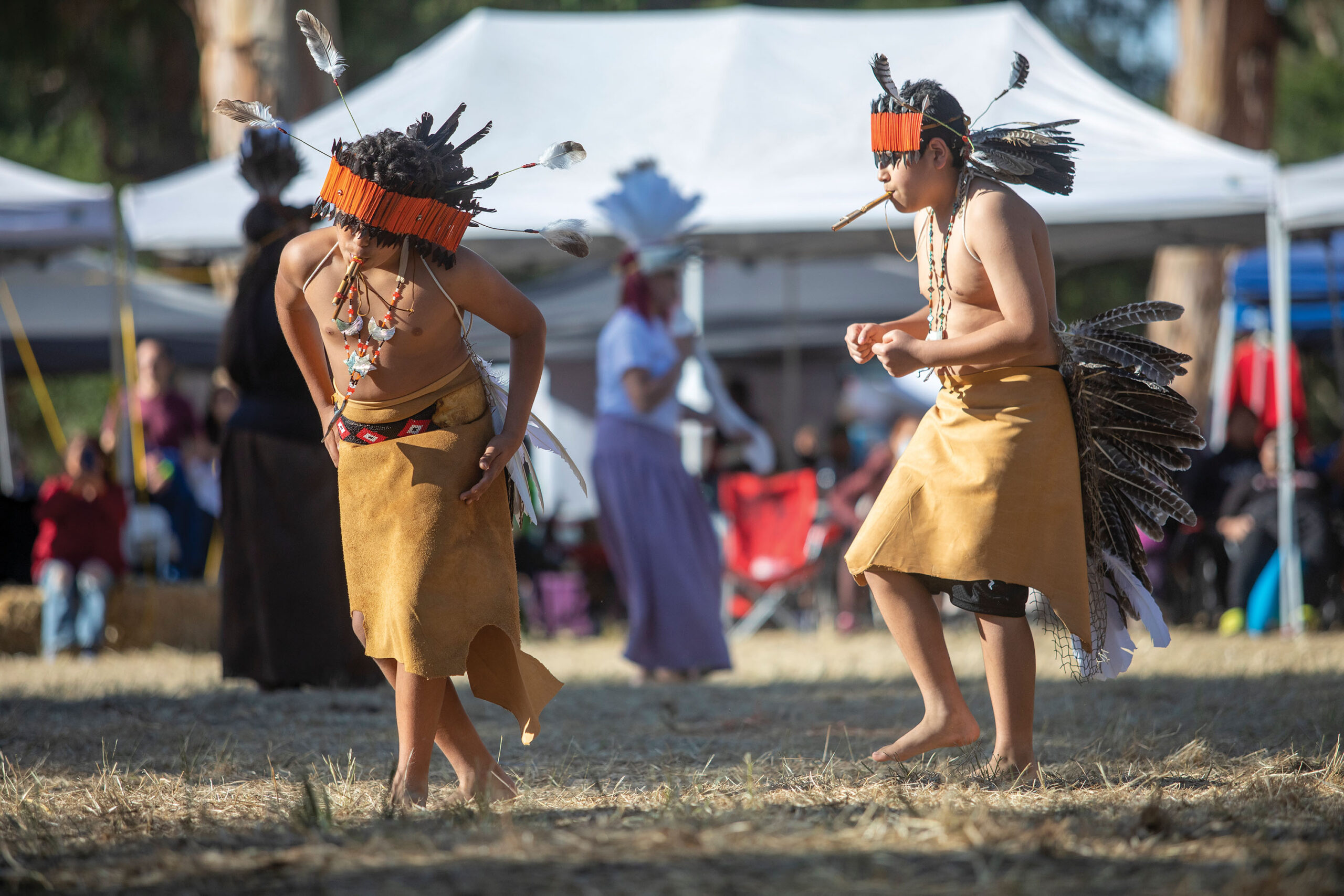
Concurrently, we revitalized our Chochenyo language in 2002 and our traditional dances earlier this year. In March we danced for the first time in over 125 years. That was a very historic time for our tribe and our people. The last time we danced was at the Mission San Jose Centennial in 1897. Today we are making history for our people as we continue to work on our dance regalia and traditional dance with other California natives and tribes. We are also engaging tribal members to learn about traditional native plants and their uses by coming together to plant native gardens. We recently planted the Muwekma Four Directions Native Plant Garden at the Stanford University Farm. The roles of tribal chair and vice chair were ultimately passed along to the present-day leadership, and we have continued advocacy in this tradition.
How does your cultural revitalization work impact you personally? My personal involvement with the Muwekma Ohlone Tribe began in 1997 when my family asked me to serve on the Muwekma Ohlone Tribal Council. From that day on, I have been committed to helping my tribe in the fight to regain our federal recognized status. It has not been an easy path, but it has been my honor and privilege to work hard alongside our tribal leadership and members. I have tried to instill these morals and values in my son Lucas, as he is the next generation of leaders for our tribe. He now helps to present public Muwekma Tribal Land Acknowledgements, has learned to dance, and is learning the Chochenyo language. Lucas proudly represents the Muwekma Ohlone Tribe.
What does this collaborative exhibition at NUMU mean for the Muwekma Ohlone? Exhibitions such as what we are working on with the NUMU staff allows us to tell our story based upon historical documentation, oral history, and archaeological findings about our ancestral civilization and our survival into the 21st century. This exhibition is not the first time we have worked with the Los Gatos community. We worked and collaborated with the staff at the Forbes Mill Museum in 2009 to 2010 and again with NUMU staff in 2016 on the exhibitions History and Heritage of Muwekma Ohlone Tribe and Back from Extinction. At present, we are honoring several ancestral and contemporary heritage sites and creating a visual multimedia educational program for NUMU members, the general public, and school groups.
Why are collaborations like this so important? Projects like these provide a forum to shatter the many myths perpetrated by the dominant society that include:
1. The Muwekma Ohlone are extinct.
2. The Muwekma Ohlone were never federally recognized as a tribe.
3. The Muwekma Ohlone migrated to the Bay Area after 500 AD.
With recent DNA studies that connect our lineages to our ancestors, we pray that this will help in our quest for Federal Recognition so that one day our children and future generations may benefit from housing, health coverage, education, and all the benefits afforded to a recognized tribe.
How can the public and other institutions show their support of the Tribe’s work? The first thing that public institutions should do is obtain and read copies of our co-authored publications posted on our Tribe’s website and on academia.edu, such as The Ohlone: Back from Extinction (1994) and Mapping Erasure: The Power of Nominative Cartography in the Past and Present of the Muwekma Ohlones of the San Francisco Bay Area (2013). They should also seek partnerships with the Muwekma Ohlone Tribe so that we can be engaged in collaborative educational endeavors. Lastly, our people should be paid for their efforts and knowledge.
Over these many recent decades, we have been trying to gain the attention of many Bay Area educational institutions, which has been a most difficult enterprise. However, more recently, we have been successful and engaged with public agencies, educational institutions, and the public in order to share our history and heritage with those who are also interested in social and environmental justice.
What main message do you hope people learn when they visit the exhibition at NUMU?
The main message is twofold:
1. We are still here after 12,000 years, and we never left our ancestral homeland of the San Francisco Bay Area.
2. We are striving to regain our federal recognition so that we can obtain equal rights and stand alongside our federally recognized brothers and sisters.
Instagram: muwekma_ohlone_tribe
Numulosgatos.org
106 East Main Street
Los Gatos, California 95030
Instagram: newmuseumlosgatos