DIRECTOR OF TEATRO CAMPESINO
“When a man becomes a farmworker, that is where civilization begins.”
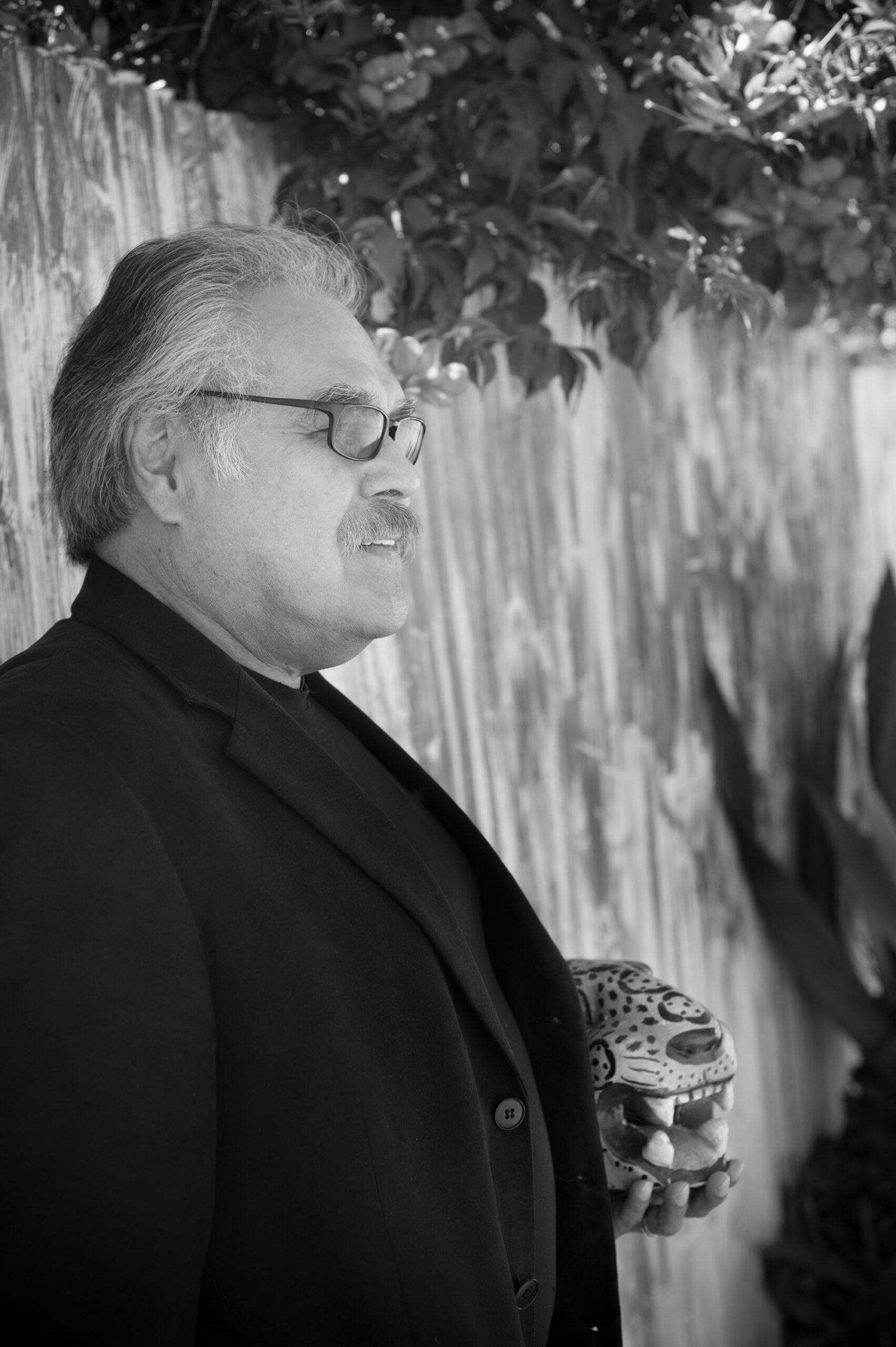
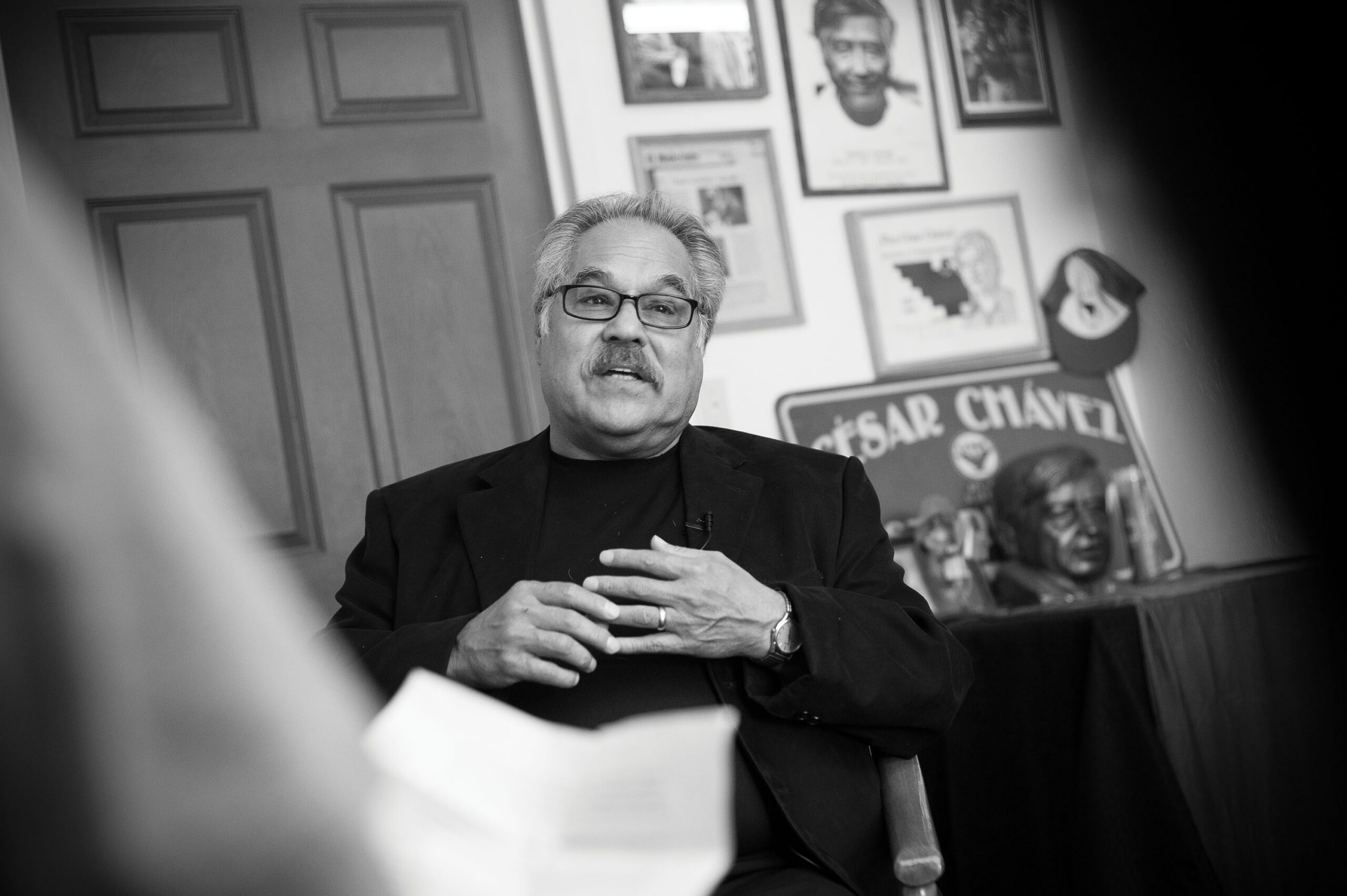
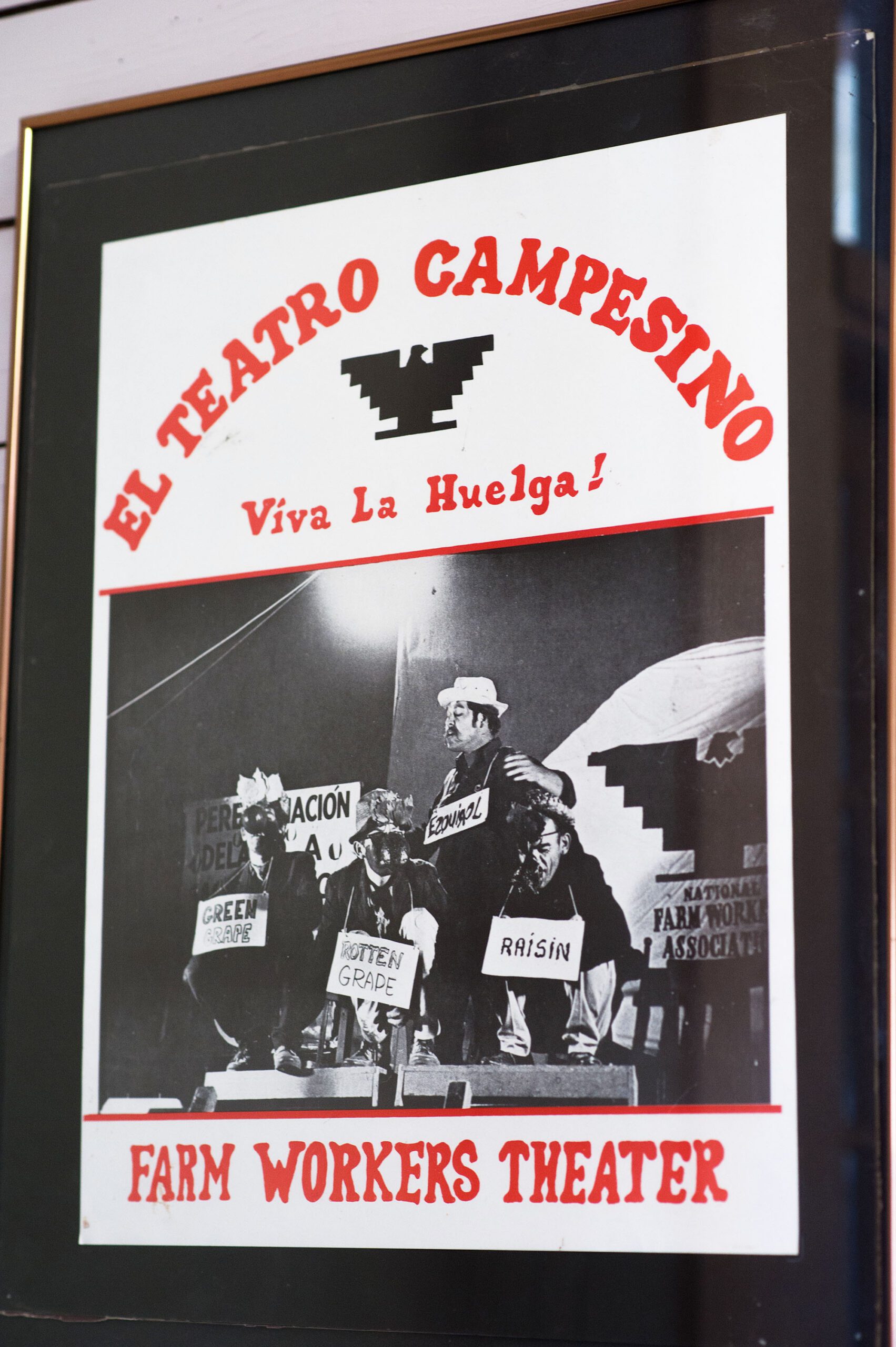
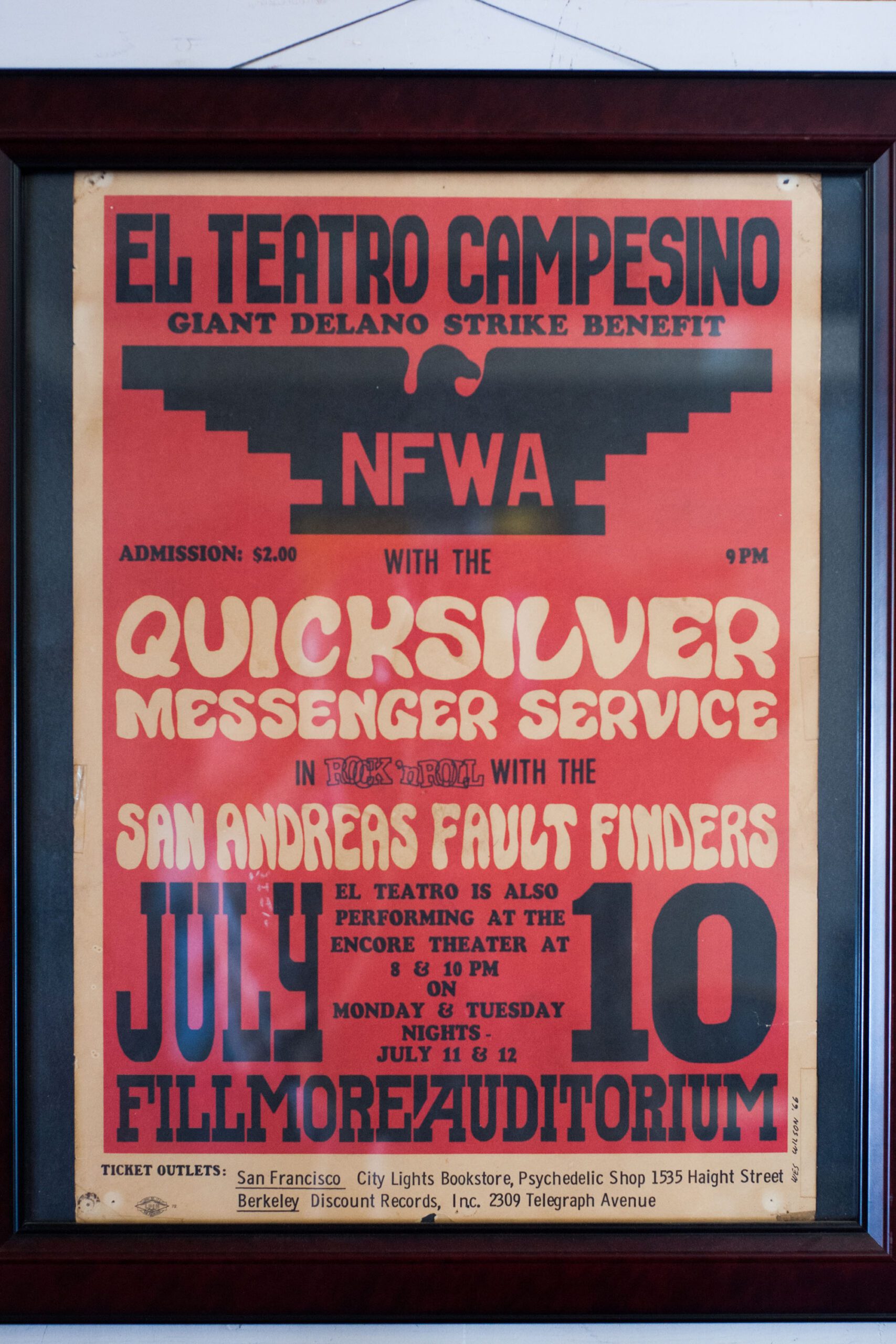
In 1981, playwright Luis Valdez formed Teatro Campesino in San Juan Bautista, the site of one of the first California missions and also the setting for some scenes in Alfred Hitchcock’s Vertigo. However, teatro campesino (farmworker theater) had started much earlier, in 1965. Using a flatbed truck as a stage, Valdez put on plays in the fields of California to educate farmworkers—the majority of them Latinos—on their civil and employment rights, supporting the social justice movement led by César Chávez. Valdez expanded on the idea of Chicano culture as a symbol of identity among American-born Mexicans. Half a century later, the playwright continues his work on raising awareness and collective pedagogy through theater. We spoke with Valdez days before the premiere of his latest work, Valley of the Heart, a story about love between two farmworkers (one Mexican, one Japanese) set during the Second World War.
What is Valley of the Heart about?
The story takes place during the Second World War, from 1941 to 1945. It’s about two agricultural families, one is Japanese American and the other Mexican American, two of the ethnic minorities and the cultural majority in California. The Japanese family’s ranch is in Santa Clara County in the early 1940s, a difficult era in the United States for people of Japanese origin. Many of them were interned during the Second World War in internment camps along the West Coast. The Mexican family works on the Japanese family’s ranch. Their oldest son falls in love with the Japanese rancher’s daughter and they have a baby boy. During the war, the mother and son are sent to a concentration camp, and the Mexican farm worker stays on the ranch to take care of the property. It’s a love story that provides a vision of the integration that has been forming in the United States, especially in California.
In terms of the integration of minorities, how have you experienced this evolution?
I was born in 1940. At that time in California there were six million people, of which only 750,000 were of Latino origin, 120,000 of Asian origin, and fewer than that be-longed to the African American community. California was mainly a state of white people, many of whom arrived during the 30s from the Midwest. Since then there has been a tremendous revolution. It is estimated that in two decades, California’s population will be mostly of Asian, Hispanic, or Indian descent. The minorities will be the majority. This is dynamic, historic, and shocking in the short run. California is probably the state with the most increase in cultural and ethnic diversity, except maybe New York and parts of Florida. The Chicano, African American, and Asian movements demand their civil rights without losing their identity. John Wayne was a Hollywood ideal, but it was not entirely true. Now we have a black president and the people that reject him de-sire a return to the past, but this isn’t possible, because we’re here and we’re advancing. One of the things that emerged as a result of minorities’ struggles is the idea that civil and constitutional rights are for everyone, regardless of race, gender, or economic class.
How did you get involved in the struggle for social integration of minorities?
I went to college in 1958 and joined the Civil Rights Movement because when I learned about it, I knew it was my movement. Through Teatro Campesino, I got involved in the demands of the Mexican Americans. We’d go to colleges to explain our idea of social justice and many students joined the cause. You have to understand that the people who cross the United States border are looking to improve their economic future. On the other side of the coin, Latin America has been invaded by American companies and values; McDonald’s, Wal-Mart, Burger King, all that, including the American corn that forces Mexican field workers to abandon their own farms. Globalization causes these situations. But I think that, thanks to new technologies and social networking, more and more people, especially younger folks, are understanding that all of us are in the same world and we need to find what we have in common, as are our rights as human beings. Our cultural differences are the wealth that we can offer each other.
Currently, do you think we can talk about improving the integration of minorities in the United States?
It depends on the point of origin where everyone starts. You have to remember that there have been numerous waves of migration, and there are many newcomers. The most rooted Japanese Americans have specific names for the different generations; they’re on their sixth generation since the beginning of the 20th century. The same happens with Mexican Americans with ancestral roots in the United States. If you go back to 1797, when this territory was still New Spain and the first Mexicans arrived, there are people who can trace their roots back to that era. The first Chicanos arrived in the early 20th century; they were the generation that fled the conflicts generated by the Mexican Revolution. Their children were born here, and they dedicated themselves to the fields. Their children, my generation, were also Chicanos and had access to education. Our children, too, are Chicanos.
However, the situation is different for the children of those who arrived during the eighties of this past century. They were born here, but they feel isolated or marginalized. I’m sure this exists, I’m not going to deny it, and there is racism, but as a Chicano of the previous century, I can say that there has been progress. César Chávez fought for that; he saw the injustices and led the fight for our civil rights, through marches, strikes, or fasts, without resorting to violence. He was successful; they won the first contracts, the system tried to end this, but the light had already been turned on. Teatro Campesino emerges from this context. My parents were farmworkers. I also worked in the field as a kid, but I had access to higher education and could graduate here in San Jose and become a playwright. My grandfather would not have believed it. When we started with the theater project, the farmworkers didn’t know what we were or what we were about. The only thing they were familiar with was the circus, because they called us circus people and all the actors were clowns.
Little by little, with the participation of our plays, the farmworkers were able to say, “I’m an actor.” From this experience came many others. Today, there are Chicanos and Chicanas who make a living as playwrights. There are plenty of new works, directors, actors, artists, and filmmakers. It’s giving a lot of social and cultural participation to the revolution. There isn’t as much marginalization, although I won’t say that we’ve reached nirvana; there’s still a lot of work to do.
What types of stereotypes are you trying to break with your works?
Specifically, that of the farmworker, represented as someone without culture, who is illiterate, who only serves as a work tool. On the contrary, the farmworker is a fountain of culture, history, stories, and talent. Teatro Campesino has existed for half a century as a testimony to the roots of farm work itself in the world. When a man becomes a farmworker, that is where civilization begins. The first villages formed around the first harvests, and society as we know it today. It’s the oldest profession, even though it is not considered important, particularly in this country.
Why did you decide to make Teatro Campesino your project, both in life and as a profession?
The name existed long before the project. I decided that I wanted to do theater with farmworkers and I thought about how I would do it. When I found out about the grape strike, I explained my concept of theater to César Chávez, and we began to work in the context of demanding rights [for farmworkers]. In English, it’s farm-worker theater, but it’s much more limited because it only concerns one labor and economic system. A farmworker is an employee, while a campesino not only works in the field but also lives in it; they have a cultural background. And peasant has a negative connotation; it’s considered an insult. So campesino is the concept that best fits the work we’re doing.
Why did you choose San Juan Bautista as the location for Teatro Campesino?
I prefer being here to Los Angeles or New York. This is my center of operations. There’s peace and tranquility here, what I need to do my work, which is obviously made to be performed at other places. Like Archimedes once said, “Give me a place to stand and I shall move the earth.” This is what San Juan Bautista represents for me; it is the fulcrum of the level where I stand so that I may jump to other places.
Article from issue 5.4 ‘Form”, Oct/Nov 2013