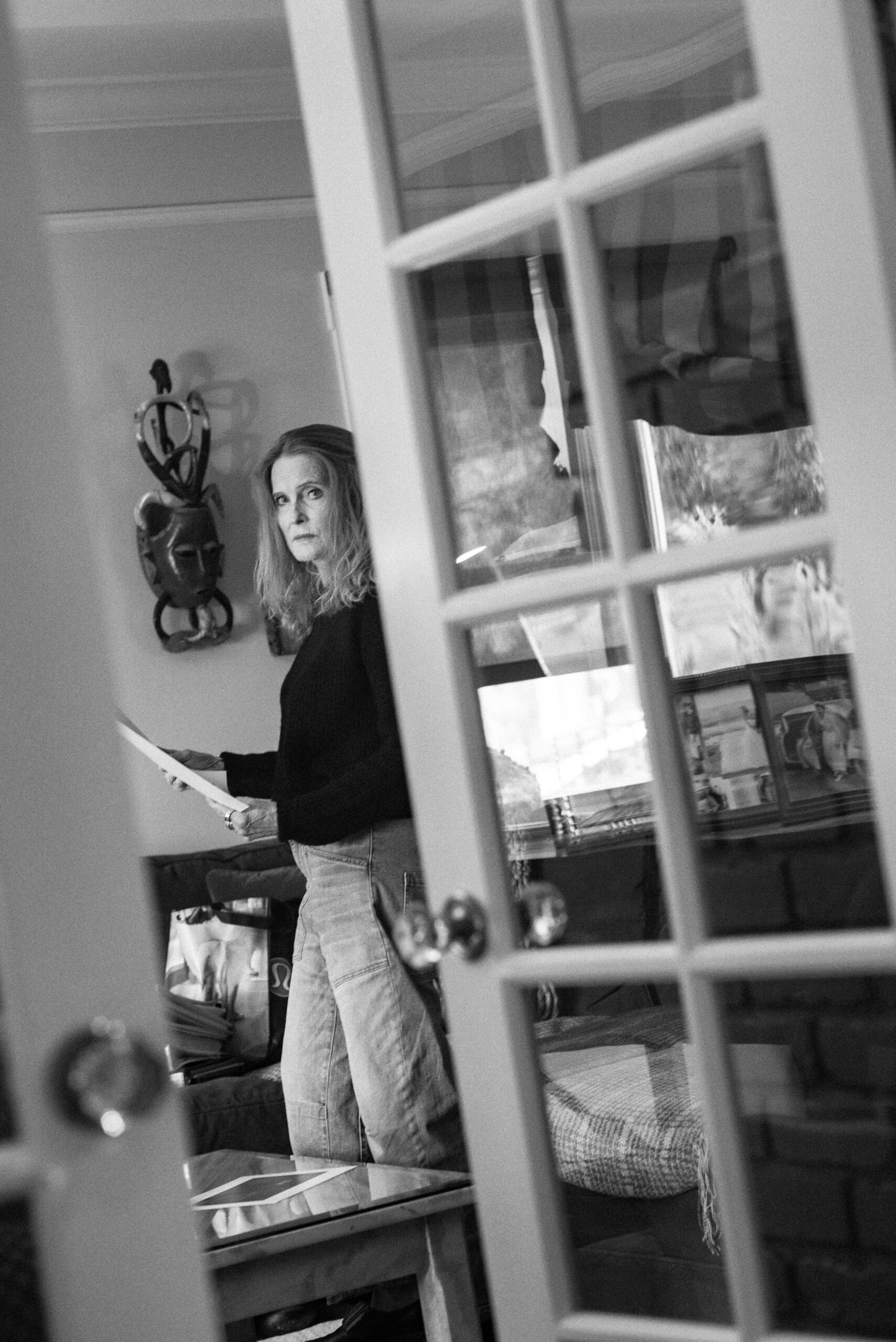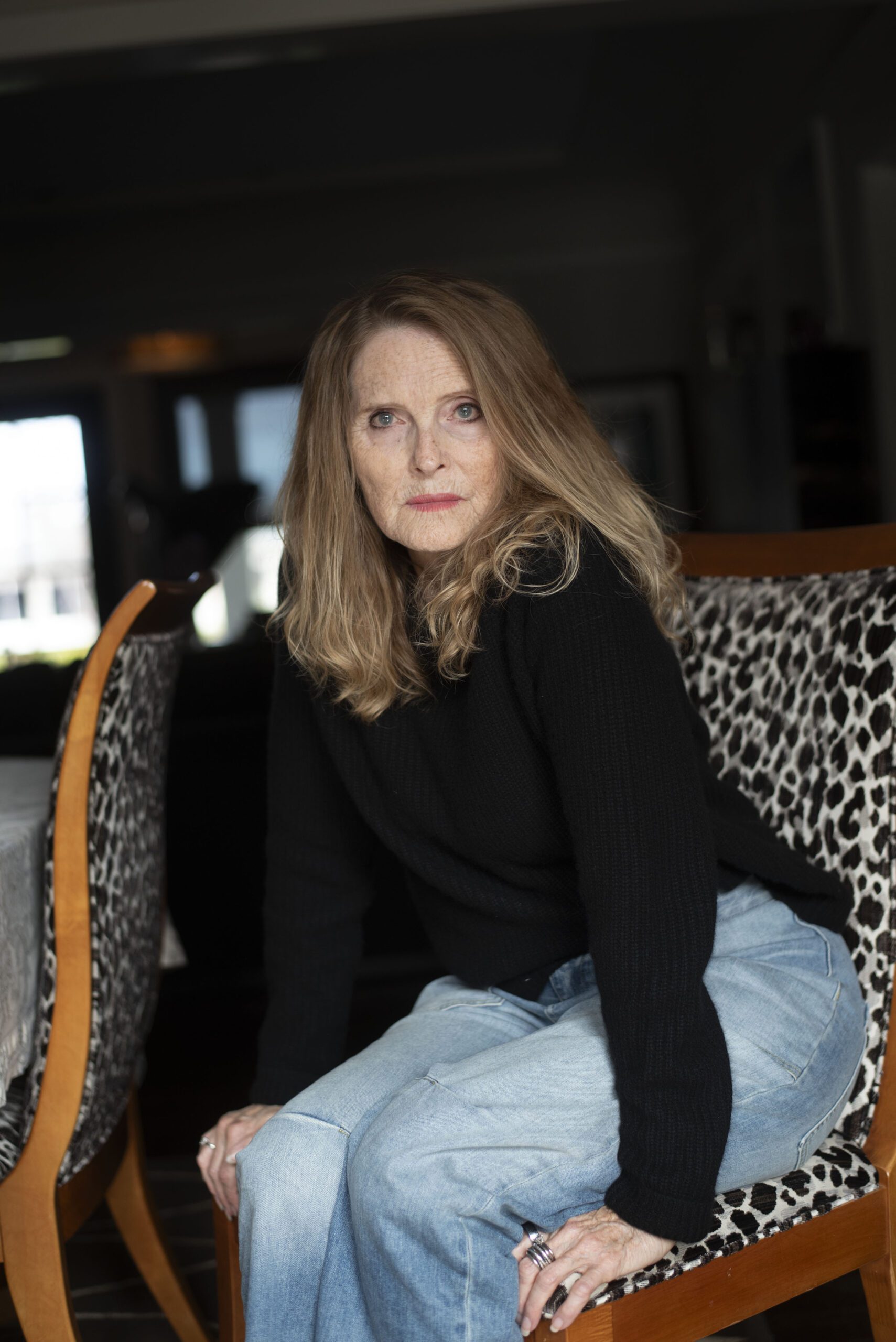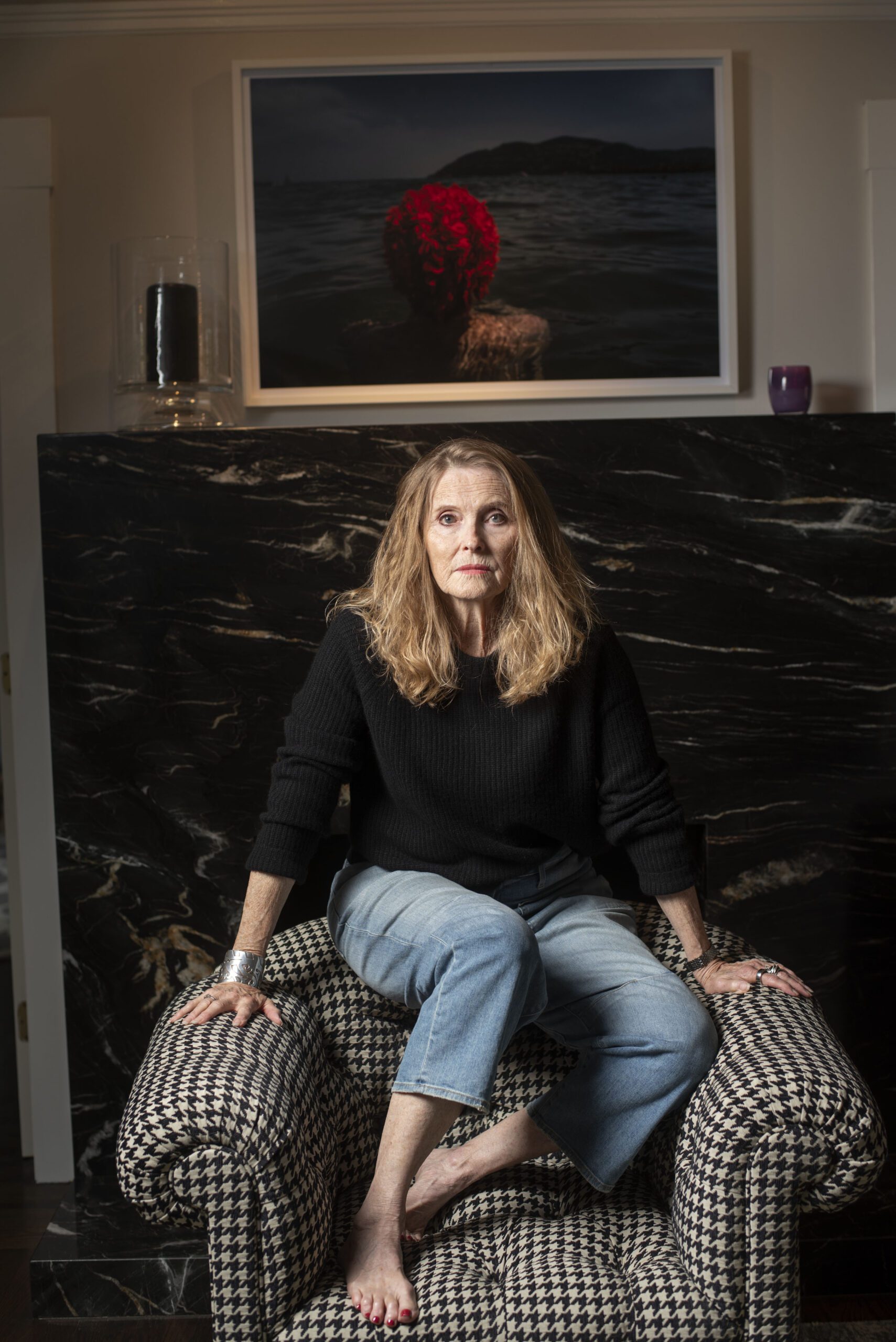
“I’m always learning,” quips Jacque Rupp, a lifelong photographer who has deepened her craft over the past several years. With a robust career as an executive in Silicon Valley, including working for Apple, photography has been her through-line to navigate life, death, grief, aging, and womanhood. Jacque recalls, “Photography has always brought me so much joy. Particularly when I’ve gone through a tough time in my life, such as people dying, I find that photography is a great escape.”
Growing up, Jacque moved around the country, which channeled her ability to change, grow, and connect with people. “I’ve had to rebuild many, many times in my life, and I hope I’ve gotten better over time. But I also realize that’s also a gift, because I can connect with people easily,” she shares. Always in a new situation—whether leading recruitment teams, partaking in photography expeditions around the world, or continuing to grow her photography practice by attending lectures, workshops, and residencies—Jacque strives to build deep connections with the people she encounters. This search for depth is omnipresent in Jacque’s work. Whether as a photojournalist, capturing migrant workers along the central coast or exploring grief, aging, and femininity through her fine art project, The Red Purse: A Story of Grief and Desire—Jacque’s ultimate goal is to build an emotional connection through the lens of her camera.
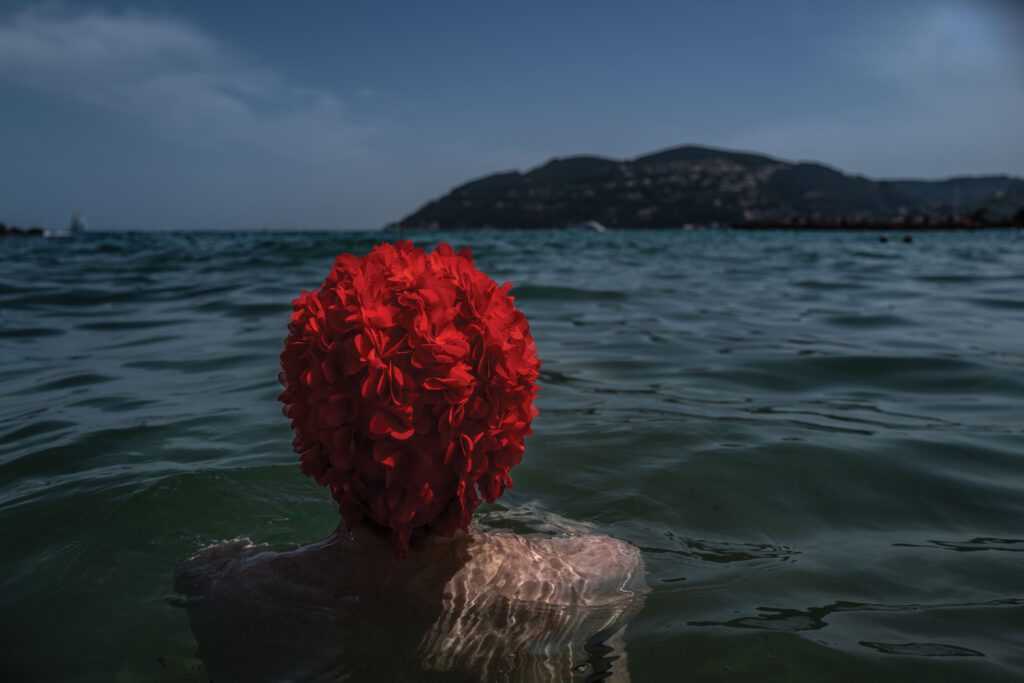
Intention, purpose, and curiosity drive Jacque’s creativity: “I’ve always looked for purpose in photography. I want to do it for a reason; it’s not just to be pretty. And through traveling, I want to tell stories about people. It’s always about the people. I’m incredibly curious, and it’s a way for me to share what I see, how I see it, and tell that story.” This depth is palpable in her photographs—the intense contrast, moody, noir aesthetic, and affinity for night photography are all evidence of Jacque’s intention to build an emotional connection with the viewer. Her commitment to using the photographer’s eye to build that connection creates magic.
Her creative inspiration often comes from film, particularly the late David Lynch and Alfred Hitchcock: “What motivates and inspires me as a photographer is film. I refer to a lot of David Lynch films in my work. I love noir, Hitchcock. I think I’m definitely more inspired by movies than photographers.” Jacque sees herself as a visual storyteller, and film inspires her to add depth and meaning to her photography, “Film is just a moving image and I’m a storyteller. Film is a stream of moving images and the emotion that comes with it. Often when I’m watching a film, I’ll freeze a moment and take a picture of it as inspiration. It’s the storytelling factor, the cinematography that I love.”
Jacque’s quest for depth is heavily influenced by loss. In her thirties, her first experience of deep grief was the loss of her father, which shifted the way she saw the world. Shortly thereafter, she lost her sister, and then her husband, an insurmountable loss that completely shifted the ground from under her. Grief—a universal emotion we all must face sooner or later in life—shaped the way Jacque sees, interacts, and engages with the world. “Once you lose someone you love, how you engage with the world around you is forever changed,” Jacque proclaims, adding, “Death definitely takes you to a place, which I think is a gift in a way, because you appreciate and see things on such a deeper level. And you find that you need to be around people who have that greater depth. I don’t have the patience for surface level anymore.”
“Once you lose someone you love, how you engage with the world around you is forever changed.”
Through grief, photography remained a constant. As a widow with two young boys, Jacque’s hunger to connect with others and to share her experiences of grief, continued. Losing her husband forced her to shift her identity—but succumbing to despair wasn’t an option. She recalls, “I remember I was hungry to be normal again. You didn’t want to be pitied, you didn’t want to be treated differently, you don’t know what you’re supposed to do—do I have to wait a year to be happy?”
At the time of her husband’s death, there were limited resources for Jacque and her children to navigate their loss. Jacque was in her forties, her prime of life, and although her husband was gone, she still wanted what she lost. Insignificant at the time, purchasing a red purse gave Jacque permission to seek connection, feel desirable, and embrace her new identity. Reminiscing, “At that time I was reclaiming my own space, changing the house, making things more feminine and everything was different. I wanted to embrace that it was different. I realized later that the purse embodied everything I needed as a woman, and it gave me permission to be feminine, sexual. I was in my forties so I still wanted what I lost.” In addition, the purse gave Jacque the permission to explore life beyond the identity she built. “The purse became this reminder that it was okay to do all of these things—try on different persona, and at the time, there weren’t any resources, nothing that I found that resonated with my age group.”
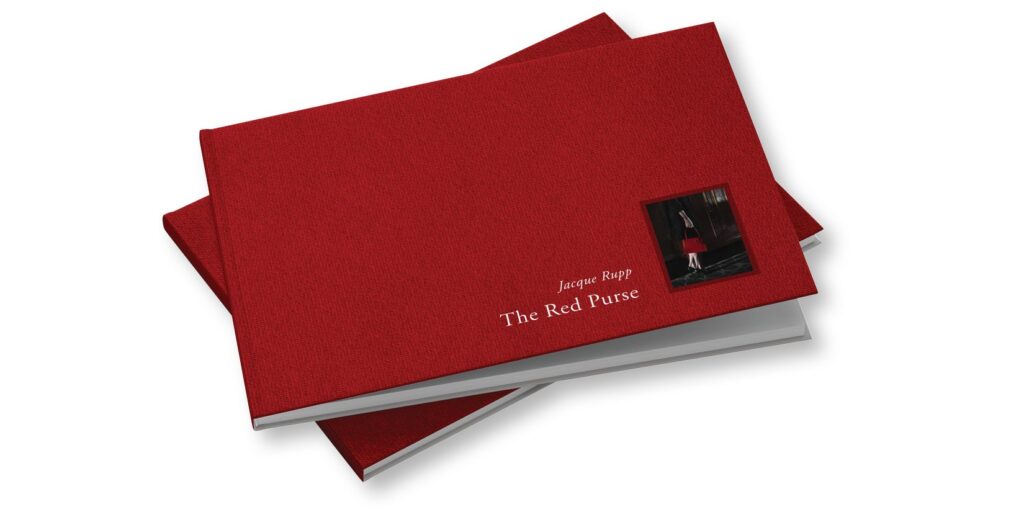
Although the purse remained in Jacque’s possession for years, it wasn’t until the pandemic—twenty years after her husband’s passing—that Jacque began to use it as a prop to explore grief through her photography. Culminating in a small, red velvet book that emulates the purse she purchased, The Red Purse depicts a visual story exploring grief, aging, femininity, and sexuality. The Red Purse is Jacque’s way of embracing the loss she’s experienced and how she grew, lived, and honored herself in the process: “The Red Purse is about grief, and what I want [from the viewer] is for them to get comfortable opening up a conversation that we normally don’t talk about.” Through the lens of self-portraiture, The Red Purse permits Jacque to navigate her own desire and grasp on aging—aging in a society that seeks eternal youth by any means necessary. She proclaims, “I wasn’t going to do ‘widowhood’ like other people were going to do it. I don’t want to do ‘aging’ the way other people do it. I don’t want to succumb to what we think we have to do. I wanted to find a more authentic experience.”
Jacque’s quest for deeper meaning, to explore her own femininity and emotions, and how society perceives women, aging, and widowhood, is held through the lens of her camera. Always searching for deeper meaning, to emotionally connect with those around her, and to deepen her understanding of her own emotions, Jacque has shaped loss into art—a story that connects the viewer to their own emotional journey. Jacque hopes her photography shows the viewer that embracing grief and aging is a part of life, and in turn, beautiful. “I’m getting older, and to be able to embrace it I think comes from within. I think having the wisdom to embrace aging, just like embracing grief, is real. And aging is real, but it is beautiful too.”
Instagram: JacqueRupp